Annabelle Hydrangea: The Easycare Showstopping Shrub
Annabelle Hydrangea: The Easy-Care Show-Stopping Shrub
Annabelle hydrangeas are one of the most popular shrubs in the world, and for good reason. They are easy to care for, produce large, showy blooms, and come in a variety of colors. If you are looking for a beautiful and low-maintenance shrub for your garden, Annabelle hydrangea is a great option.
Introduction
Annabelle hydrangeas (Hydrangea arborescens 'Annabelle') are deciduous shrubs that are native to North America. They grow to be 4-6 feet tall and wide, and they produce large, white blooms in the summer. Annabelle hydrangeas are hardy in USDA zones 3-9, and they can tolerate a wide range of soil conditions.
Main Content
Planting and Care
Annabelle hydrangeas are easy to plant and care for. They prefer full sun to partial shade, and they need moist, well-drained soil. Annabelle hydrangeas are not fussy about soil pH, so they can be planted in a variety of soils.
When planting Annabelle hydrangeas, it is important to dig a hole that is twice as wide as the root ball. Backfill the hole with soil, and water the plant thoroughly. Annabelle hydrangeas do not need to be fertilized often. A light application of fertilizer in the spring will help to promote blooms.
Pruning
Annabelle hydrangeas do not need to be pruned often. However, you may want to prune them in the spring to remove any dead or damaged branches. You can also prune them to shape the plant.
Winter Protection
In areas with cold winters, Annabelle hydrangeas may need some winter protection. You can protect them by covering them with a burlap sack or by mulching around the base of the plant.
Problems
Annabelle hydrangeas are generally pest- and disease-free. However, they may be susceptible to aphids, scale, and powdery mildew. If you see any pests or diseases on your Annabelle hydrangeas, you can treat them with an appropriate pesticide or fungicide.
Colors
Annabelle hydrangeas typically bloom white. However, there are also varieties that bloom pink, blue, or purple. The color of the blooms depends on the pH of the soil. In acidic soil, the blooms will be blue. In alkaline soil, the blooms will be pink or purple.
Uses
Annabelle hydrangeas are versatile plants that can be used in a variety of ways. They can be planted as standalone shrubs, or they can be used to create hedges or borders. Annabelle hydrangeas are also popular for cut flowers.
Conclusion
Annabelle hydrangeas are beautiful, easy-care shrubs that are perfect for any garden. They are a great choice for gardeners of all skill levels. If you are looking for a show-stopping shrub that will add beauty to your garden, Annabelle hydrangea is a great option.
Hydrangea paniculata 'Annabelle' is a popular hydrangea variety that is known for its large, white flower heads. It is a relatively easy plant to grow, and it can be found in many gardens. However, if you are interested in learning more about this plant, I recommend visiting .
is a website that is dedicated to hydrangeas. It contains a wealth of information about different hydrangea varieties, including 'Annabelle'. On the website, you can find information about the plant's history, its care requirements, and its pest and disease resistance. You can also find photos and videos of 'Annabelle' in bloom.
I highly recommend visiting if you are interested in learning more about hydrangea paniculata 'Annabelle'. The website is a valuable resource for gardeners of all levels of experience.
FAQ of hydrangea paniculata annabelle
1. How long do Annabelle hydrangeas bloom?
Annabelle hydrangeas typically bloom in June for up to two months, sometimes with a small repeat bloom in the fall. The exact timing of the bloom will vary depending on the climate.
2. What are the best growing conditions for Annabelle hydrangeas?
Annabelle hydrangeas prefer full sun to partial shade and well-drained soil. They are relatively drought-tolerant once established, but they do benefit from regular watering during the summer months.
3. How do you care for Annabelle hydrangeas?
Annabelle hydrangeas are relatively low-maintenance plants. They should be pruned in the fall or early spring, and they may need to be staked if they are planted in windy areas. Annabelle hydrangeas are also susceptible to powdery mildew, so it is important to water them at the base of the plant and to avoid overhead watering.
4. How do you propagate Annabelle hydrangeas?
Annabelle hydrangeas can be propagated by division or by cuttings. Division is the most common method, and it is best done in the spring or fall. To divide an Annabelle hydrangea, carefully dig up the plant and use a sharp knife to divide it into two or more sections. Each section should have at least one healthy root system.
5. How do you control Annabelle hydrangeas?
Annabelle hydrangeas can be controlled by pruning, staking, and deadheading. Pruning should be done in the fall or early spring, and it should be done to remove dead or diseased wood and to shape the plant. Staking may be necessary if the plant is planted in a windy area. Deadheading should be done to remove spent flowers, which will encourage the plant to produce more blooms.
Image of hydrangea paniculata annabelle
- Image 1: A close-up of a single Annabelle hydrangea bloom. The bloom is large and round, with a creamy white color.
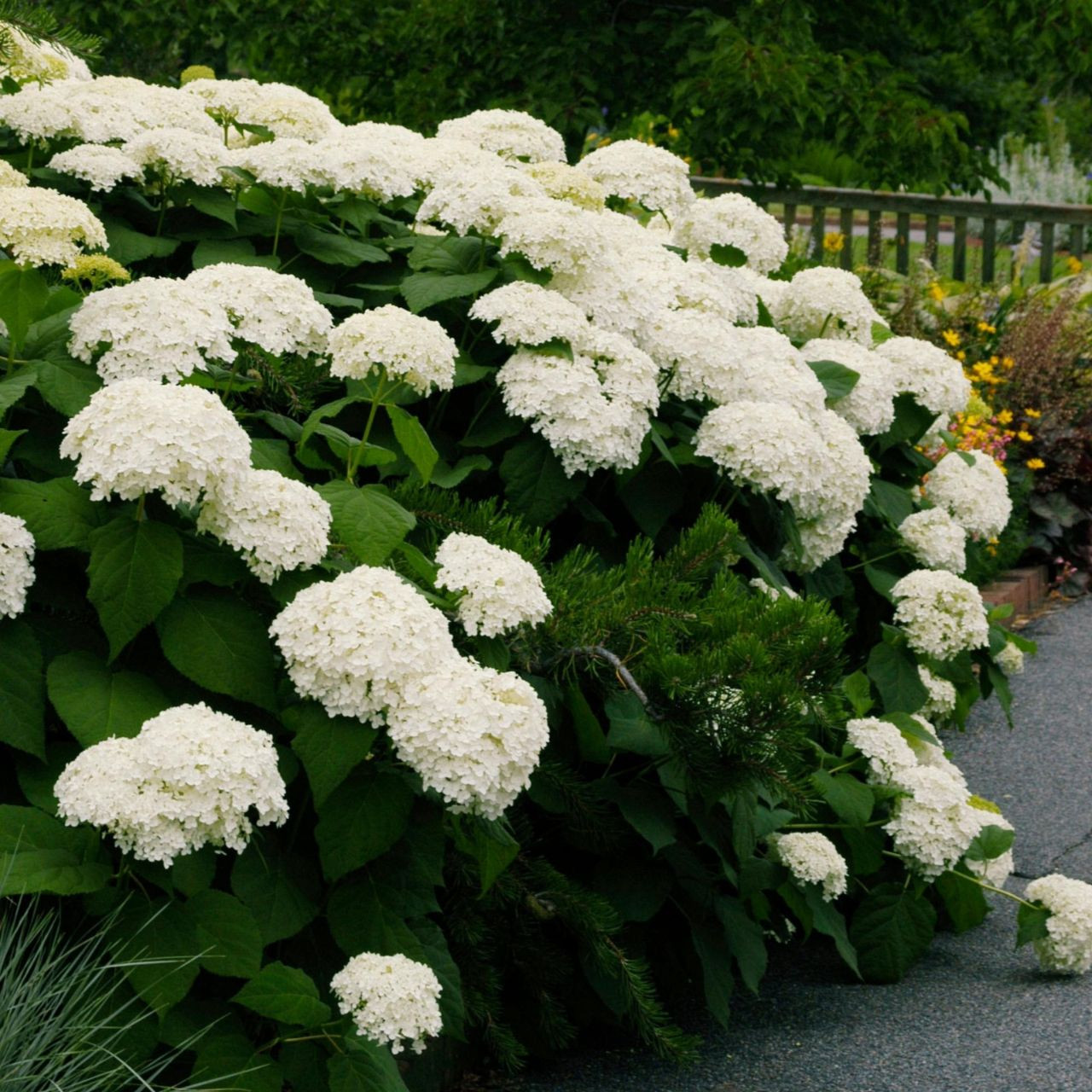
- Image 2: A full plant of Annabelle hydrangeas. The plants are tall and bushy, with clusters of white blooms.
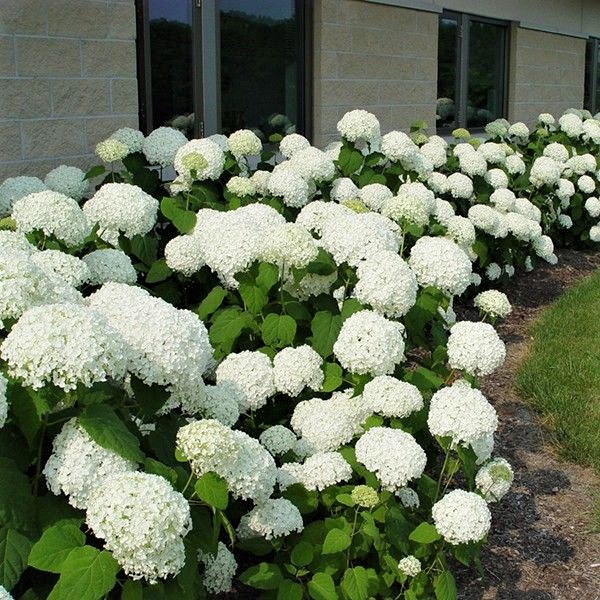
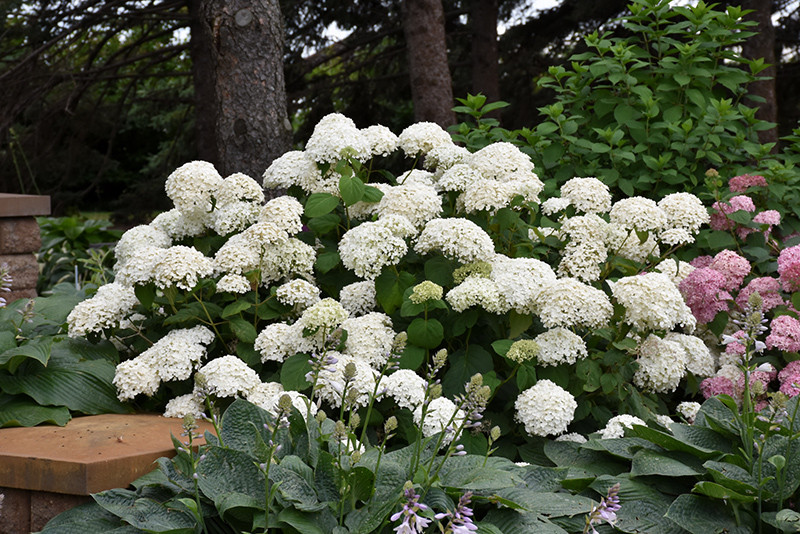
- Image 3: A row of Annabelle hydrangeas planted in a garden. The plants are in full bloom, and the blooms are a beautiful shade of white.

- Image 4: A Annabelle hydrangea in a vase. The bloom is still in bud, but it is starting to open.
- Image 5: A Annabelle hydrangea in a forest. The bloom is surrounded by green leaves, and it is reflecting the light of the sun.

Post a Comment for "Annabelle Hydrangea: The Easycare Showstopping Shrub"